At Goldwin, our expertise in high-precision mold making and plastic injection extends to advanced materials such as Liquid Silicone Rubber (LSR) — a transformative solution for complex applications across industries.
What Is Liquid Silicone Rubber Injection Molding?
LSR injection molding is a highly automated, precision-controlled process used to mold two-part platinum-cured silicone into durable, high-quality components.
Unlike thermoplastics, LSR is a thermosetting elastomer—meaning that once cured, it cannot be re-melted. This property ensures that LSR parts retain their form and performance even under extreme temperatures.
How the LSR Molding Process Works
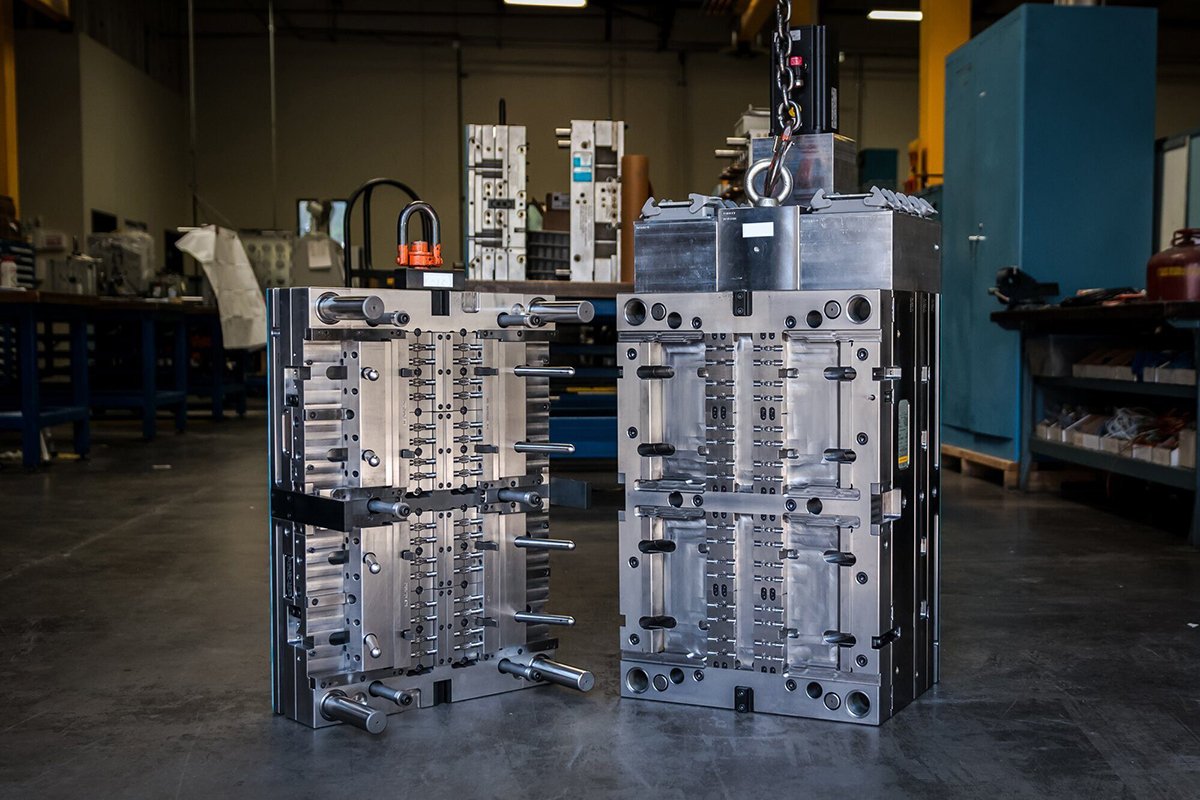
- Tool Fabrication: A high-temperature mold is CNC-machined and hand-polished for a precision finish.
- Material Mixing: Two components (Part A & B) are mixed using a static mixer. Color pigment can be added if required.
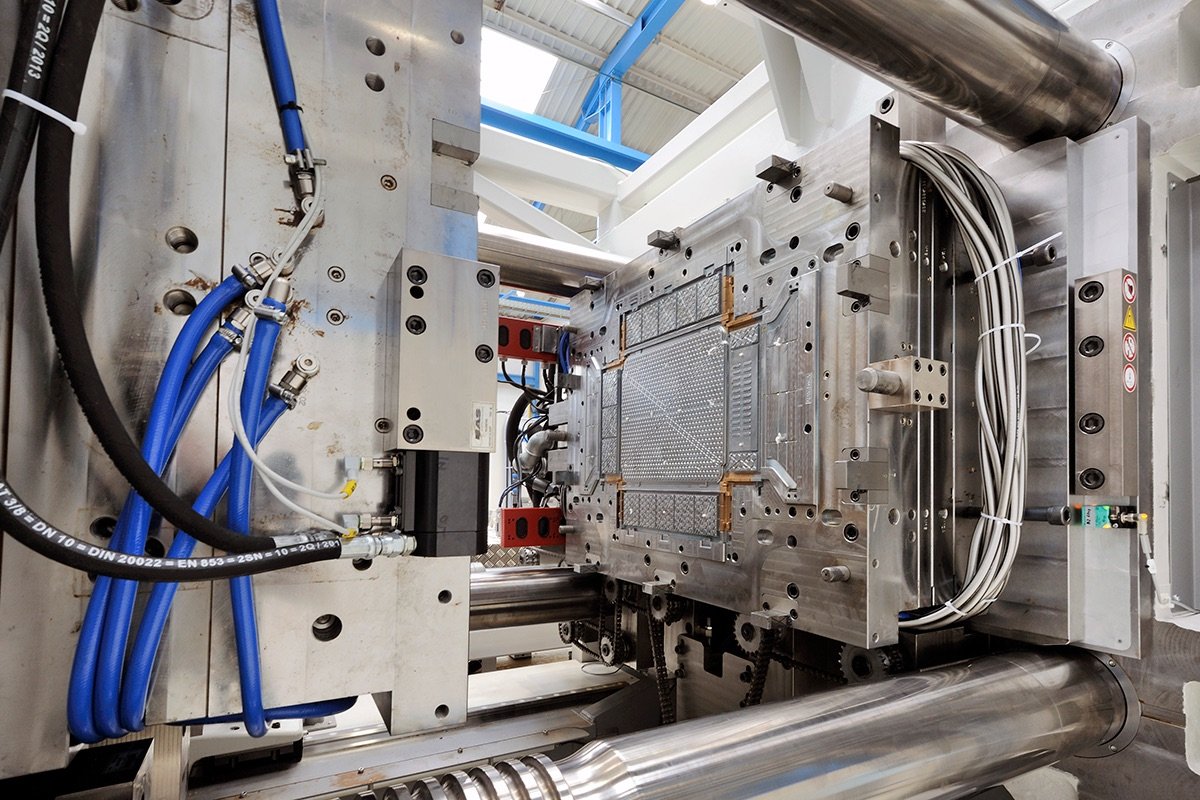
- Injection & Curing: The mixed material is injected into a heated mold, where it rapidly cures (30–90 seconds).
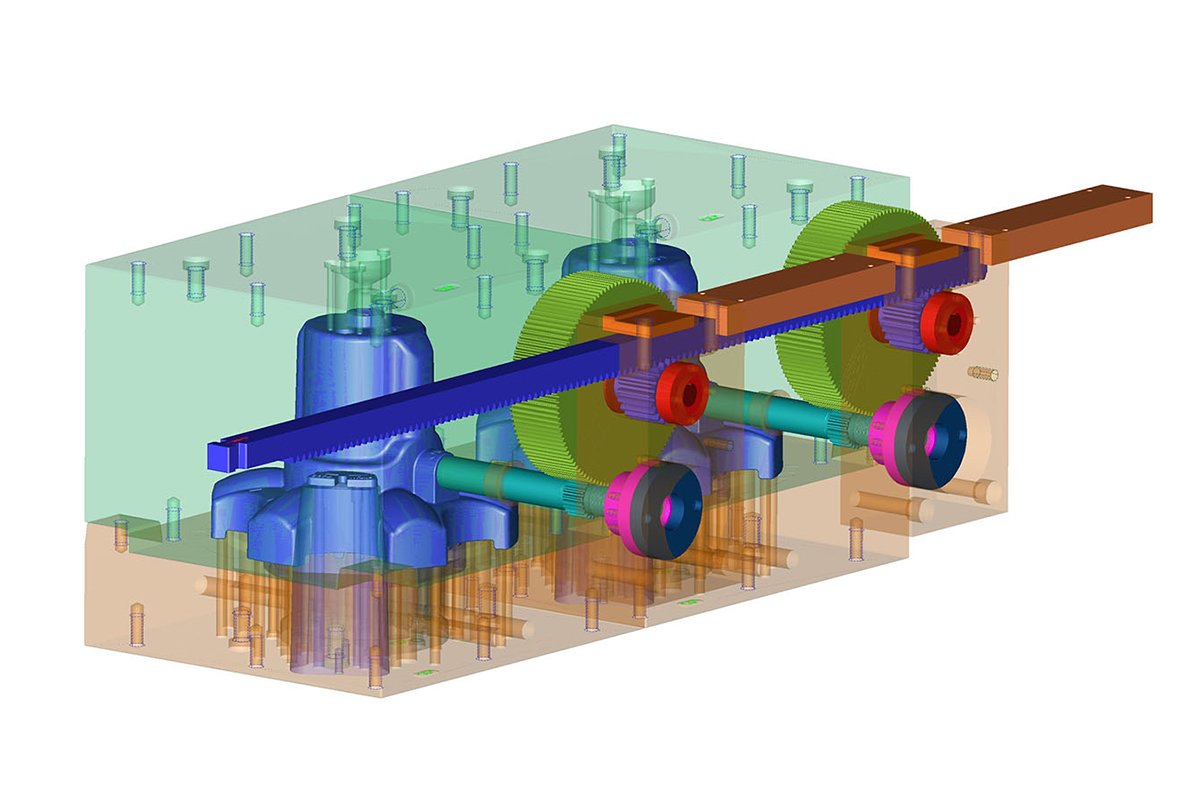
- Demolding: The part is manually or robotically removed—no ejector pins are used.
- Post-Processing: The molded part is ready for use or testing.
Advantages of LSR Injection Molding
- Wide Operating Temperature: Remains flexible from -60°C to +200°C.
- Biocompatibility: Ideal for medical and wearable applications.
- Design Flexibility: Supports complex geometries and micro components.
- Exceptional Durability: High tear resistance and compression set performance.
- Material Versatility: Available in various grades including medical, optical, and food-safe.
Key Industries Using LSR Components
- Medical: Syringes, masks, IV components, wearable sensors
- Automotive: Seals, gaskets, connectors
- Consumer Products: Baby items, kitchenware, fitness gear
- Electronics: Keypads, insulators, protective seals
Designing for LSR Injection Molding
Proper design is essential to ensure both performance and manufacturability:
- Wall Thickness: Uniform walls minimize sink and flash
- Gating & Venting: Critical for accurate flow and minimal defects
- Parting Lines & Undercuts: Should be strategically designed for easy demolding
- Shrinkage Management: LSR has high shrinkage and must be factored in
- Surface Finish: Mold texture determines cosmetic appearance
- Tolerance Expectations: Standard tolerance is ~0.025mm/mm with some allowance for flash
Material Selection Matters
Choosing the right LSR grade impacts the end-product’s durability, safety, and performance. Options include:
- General-purpose
- Medical-grade
- Self-adhesive
- Optically clear
- High-temperature or low-volatile grades
LSR also comes in a range of durometers (hardness levels) and can be formulated for friction reduction, fluid resistance, or enhanced flexibility.
Why Choose Goldwin?
As a certified ISO 9001:2008 and TS 16949:2009 manufacturer, Goldwin delivers:
- Precision CNC-tooled molds optimized for LSR
- Custom molding solutions tailored to your project
- Fast turnaround with in-house prototyping, tooling, and inspection
- Expert support from design to full-scale production
Whether you need prototype parts or full production runs, our team ensures every component meets the strictest quality standards.
Start Your LSR Project Today
From concept to creation, Goldwin is your trusted partner for high-performance silicone parts.
📩 Contact us now to discuss your project and request a quote.