With over 23 years of experience in mold making and plastic injection molding, Goldwin is proud to offer high-precision secondary processes like pad printing (also known as tampo printing or tampography)—a trusted solution for transferring detailed images onto plastic and other complex surfaces.
What Is Pad Printing?
Pad printing is a printing technique used to transfer a 2D image onto a 3D object. Using a silicone pad, this method picks up ink from an etched plate and presses it onto curved, textured, or irregularly shaped surfaces.
Thanks to the flexibility and surface-conformity of the silicone pad, pad printing can be used on a variety of objects—flat, cylindrical, spherical, concave, convex, and more.
Whether you’re printing a simple single-color logo on a toy or a multi-color graphic on consumer electronics, Goldwin ensures every print is sharp, accurate, and durable.
What Can Be Pad Printed?
Pad printing works well on a wide range of materials, including:
- Plastics (ABS, PC, PP, PE, and more)
- Metals
- Rubber
- Glass
- Wood
- Fabric
Common applications of pad printing include:
- Consumer electronics
- Toys and dolls
- Household appliances
- Golf balls
- Keyboards and buttons
- Promotional items like pens, keychains, and clocks
How Does Pad Printing Work?
The pad printing process involves six main steps:
- Design Creation
Your artwork or logo is created in a vector format (e.g., Adobe Illustrator), noting size, color (Pantone #), and placement.
- Etching the Plate (Cliché)
The image is etched into a metal plate using laser engraving to form the ink well.
- Inking the Plate
A sealed ink cup fills the etched area with ink, leaving behind just the image when the excess is scraped away.
- Image Transfer to the Pad
The silicone pad presses onto the inked plate, picking up the image.
- Image Transfer to the Part
The pad then compresses onto the 3D surface, transferring the image to the product.
- Drying & Quality Check
The item is dried if necessary and inspected to ensure alignment, color accuracy, and quality.
At Goldwin, we maintain strict quality control at every stage of this process, ensuring consistency and clarity from the first unit to the last.
Benefits of Pad Printing
- ✅ Works on Irregular or Textured Surfaces
- ✅ Compatible with Many Materials
- ✅ Ideal for Detailed Logos, Text, and Graphics
- ✅ Cost-Effective for Low and High Volumes
- ✅ Single or Multi-Color Capabilities
- ✅ Permanent Marking for Indoor & Outdoor Use
- ✅ No Need for Labels or Stickers
- ✅ Fast Turnaround and Prototyping
Why Choose Goldwin for Pad Printing?
As a trusted manufacturer in China with full-service production capabilities, Goldwin offers pad printing as part of a streamlined workflow:
- In-house injection molding and pad printing
- Engineering support for artwork placement and optimization
- Assistance with material compatibility
- Scalable capacity for both small batches and mass production
- Tight turnaround (typical lead times start at 7 business days)
Pad Printing as a Finishing Solution
Pad printing is just one of the many secondary operations Goldwin offers. Depending on your product and budget, pad printing may offer the best combination of cost-efficiency and durability.
We also offer other post-molding decoration options including:
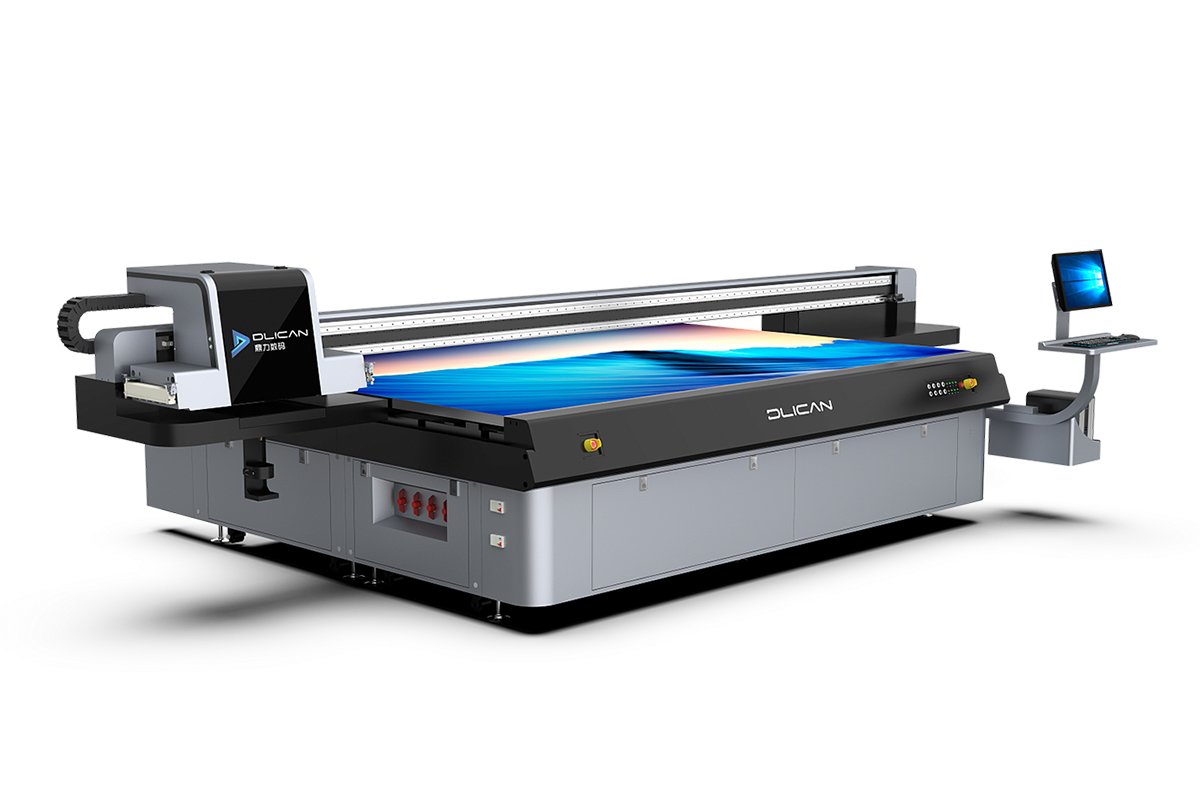
- UV Printing
- Spray Painting
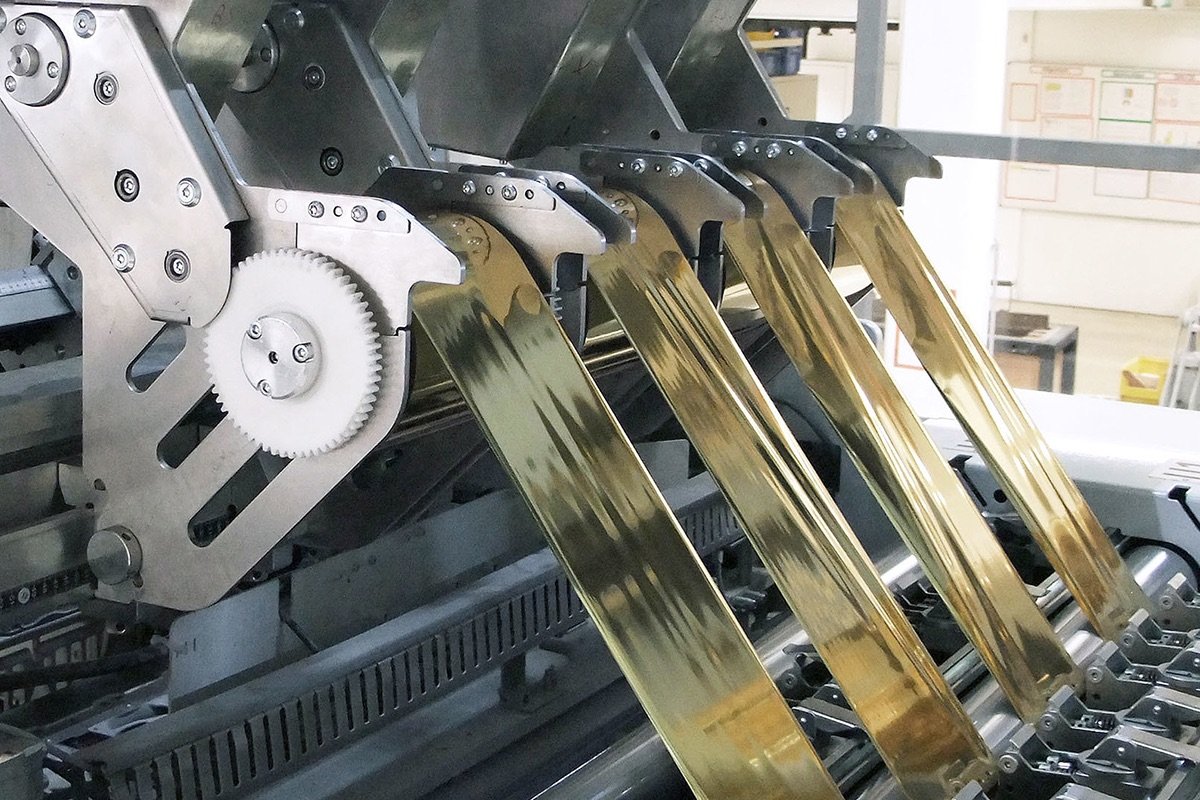
- Hot Stamping
- Silk Screening
Our team will help you evaluate all finishing options to select the one that best suits your project.
Decorate with Confidence—Partner with Goldwin
Whether you’re branding a promotional giveaway, enhancing a complex 3D shape, or adding clear identifiers to technical components, pad printing from Goldwin delivers professional results every time.
📩 Contact us today to explore how our pad printing services can bring precision decoration and long-lasting quality to your next project.