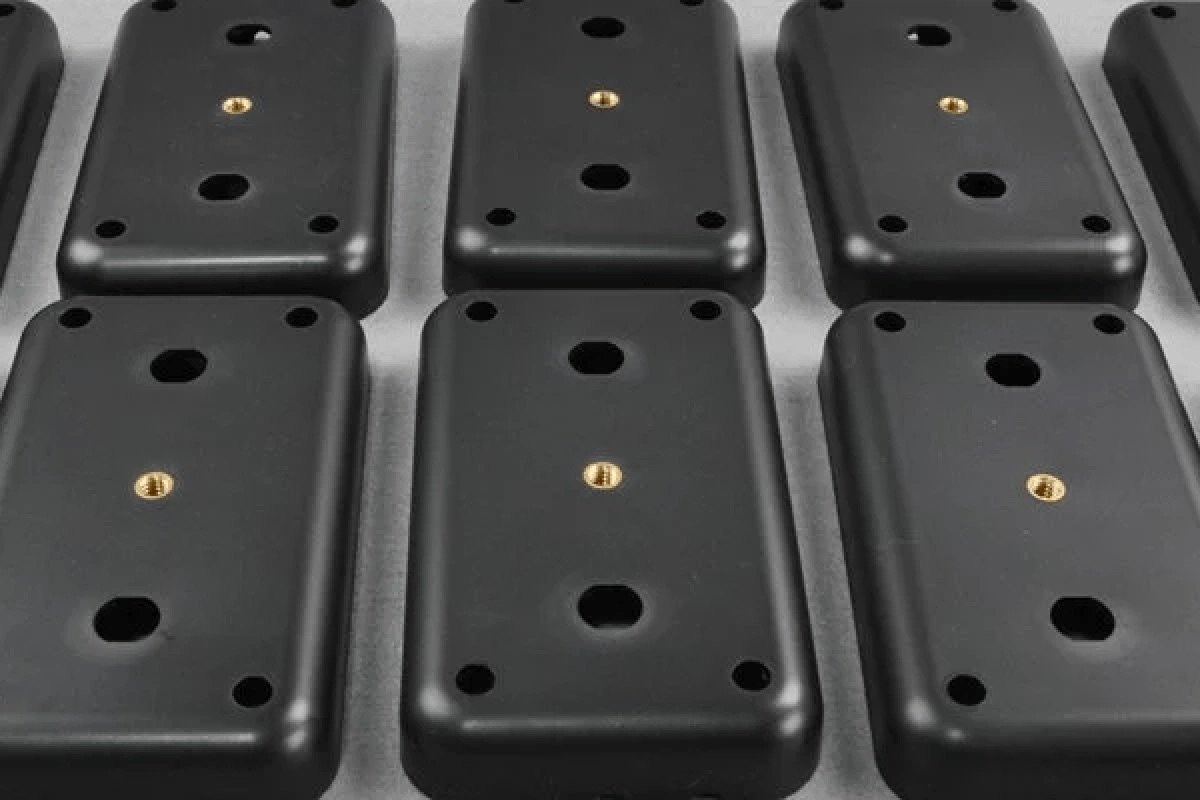
Two-shot injection molding, also known as dual-shot or multi-shot molding, is a sophisticated manufacturing process that enables two different plastic materials—or colors—to be molded into a single component within one continuous cycle. This technique offers improved design flexibility, functional integration, and production efficiency.
What Is Two-Shot Injection Molding?
Two-shot injection molding allows for the creation of complex, multi-material plastic parts by injecting two distinct materials sequentially in one mold. Unlike overmolding—which requires two separate steps—this process integrates both shots within a single machine cycle.
A common example is a toothbrush featuring a rigid plastic handle and a soft, ergonomic grip—produced in one seamless operation without the need for adhesives or secondary assembly.
How the Two-Shot Molding Process Works
- Initial Injection: The base material is injected into the first mold cavity, forming the structural component.
- Mold Transfer: The part is then rotated or shifted into a second cavity, positioning it for the next injection.
- Second Injection: A secondary material is injected over or around the first, forming a fully bonded, multi-material part.
Material compatibility is essential, as the second material must adhere properly to the first to ensure structural integrity.
Key Advantages of Two-Shot Injection Molding
- Superior Bonding: Produces strong, cohesive bonds between materials with minimal delamination risk.
- Enhanced Aesthetics: Enables multi-color or multi-texture parts without additional painting or labeling.
- Streamlined Production: Eliminates manual assembly and secondary processes, reducing labor costs.
- Design Flexibility: Combines rigid and soft materials to improve functionality and ergonomics.
- Increased Efficiency: Complete parts are molded in a single cycle, improving throughput for high-volume production.
Common Material Pairings
First Shot (Rigid Base):
- ABS (Acrylonitrile Butadiene Styrene)
- PC (Polycarbonate)
- PP (Polypropylene)
Second Shot (Soft Overmold):
- TPE (Thermoplastic Elastomer)
- TPU (Thermoplastic Polyurethane)
Ensuring proper bonding requires careful material selection and consultation with compatibility charts or experienced molders.
Two-Shot Molding vs. Overmolding
| Feature |
Two-Shot Molding |
Overmolding |
| Process |
Single cycle using one machine |
Two-step process, may involve multiple machines |
| Material Transfer |
Automated within the mold |
Manual or robotic between molds |
| Production Efficiency |
Optimized for large volumes |
Better for prototypes or low-volume production |
| Bonding Strength |
Stronger due to continuous process |
Can vary depending on materials and process conditions |
Typical Applications
- Consumer Electronics: Remote controls, phone cases with soft buttons
- Automotive: Dashboard controls, air vent knobs, branded emblems
- Medical Devices: Surgical instruments, insulin pens, ergonomic grips
- Power Tools: Anti-slip handles and protective casing
- Home Appliances: Tactile buttons, knobs, and control panels
When to Choose Two-Shot Molding
Two-shot injection molding is ideal when:
- High-volume production justifies the upfront tooling investment.
- Multi-material functionality improves part performance or usability.
- Visual appeal or ergonomics are important for end-user experience.
Early design collaboration is essential, as parts must be engineered specifically for two-shot molding to achieve optimal results.
Frequently Asked Questions
Q: Can two rigid plastics be molded together?
A: Yes, provided the materials are compatible for bonding during the process.
Q: Is two-shot molding more expensive?
A: Initial tooling can be 30–50% higher, but overall production costs may decrease due to reduced labor and shorter cycles.
Q: What’s the lead time for two-shot molding?
A: Mold fabrication typically takes 4–8 weeks, followed by testing and production.
Conclusion: A Modern Approach to Multi-Material Molding
Two-shot injection molding is an efficient and highly capable technique for producing integrated plastic parts with improved performance and aesthetics. When high volumes, functionality, and design complexity are factors, this process offers unmatched value and precision.
Ready to explore how two-shot injection molding can benefit your next project?
📩 Contact us today for a free consultation or design review.